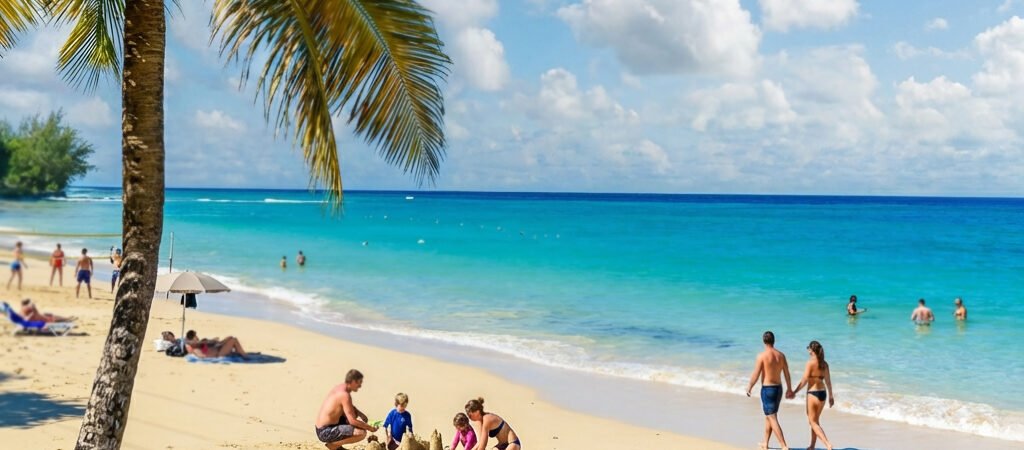
The coastal landscape of Barbados is a study in dramatic contrasts, offering a “dual personality” that caters to every type of traveller. From the serene, lake-like environment of the West Coast to the rugged, cinematic majesty of the East, the island’s shores provide a diverse spectrum of tropical experiences. Geologically, the island is primarily composed of coral limestone rather than volcanic rock, which explains the startling clarity of the water and the fine, powdery texture of the sand that defines the Bajan coastline.
Whether you seek the sophisticated calm of the Platinum Coast or the raw, unpolished energy of the Atlantic, Barbados offers a shoreline for every soul.
To understand the island’s beaches is to understand its history and its people. You cannot simply rush from one bay to the next; you must Tek Time to appreciate the nuances of the tides and the local customs. On the Caribbean side, the rhythm is slow and deliberate, while the Atlantic side demands respect for its power. Whether you are heading out for a Sunday ‘Lime’ or looking for a quiet spot to watch the sun dip below the horizon, the 97 kilometres of coastline offer more than just a place to tan; they offer a deep connection to the island’s maritime heritage.
The Platinum Coast
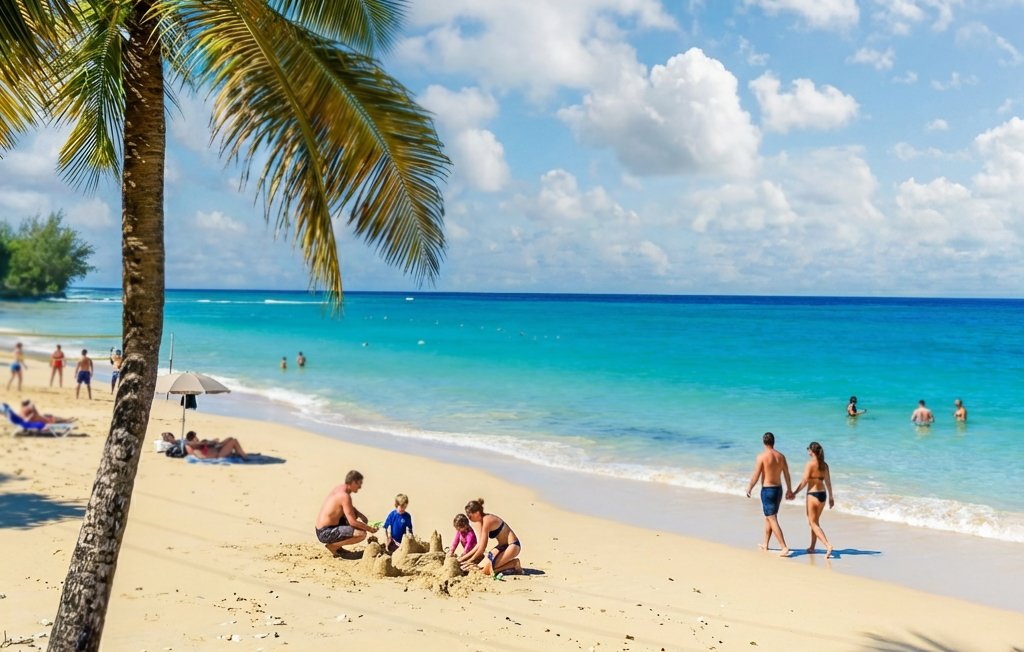
Known as the Platinum Coast, the West Coast is home to turquoise waters and powdery white sands. It is a sanctuary for those seeking relaxation, luxury resorts, and effortless snorkeling in calm, rhythmic waves. The lack of significant shore break here makes it the preferred choice for families and those looking for a gentle introduction to the Caribbean Sea.
- Best For: Swimming, Catamaran Cruises, Golden-hour Cocktails.
- Vibe: Sophisticated, Calm, Refined.
- Top Spot: Mullins Beach & Sandy Lane.
Folkestone Marine Park: The Underwater Sanctuary
Located in the heart of Holetown, Folkestone Marine Park is not merely a beach but a protected biological reserve. The park features a dedicated underwater snorkeling trail marked by buoys that circumnavigate an inshore reef teeming with sea fans and soft corals. This is a “no-take” zone, a legal designation that prohibits fishing or the collection of any marine specimens. As a direct result, the fish density here—including parrotfish and sergeant majors—is significantly higher than in unprotected areas, providing an immersive experience for those who prefer to keep their fins on. For those interested in the science behind the scenery, the on-site Interpretation Centre and Museum (Open 9:00 AM – 5:00 PM; Admission: $20 BBD) offer detailed exhibits on the historical development of Barbados’ coral reefs and the various species that inhabit them.
For more experienced divers, the park serves as a gateway to more technical sites. Just outside the shallow snorkel zone lies the *Stavronikita*, a 365-foot Greek freighter that was intentionally sunk in 1978 to create an artificial reef. It now rests in approximately 120 feet of water, draped in deep-water gorgonians and sponges. Accessing Folkestone is straightforward; it is situated on the main West Coast road and is a frequent stop for the “Yellow Bus” or the “ZR” Route 1 heading from Speightstown (with a flat fare of $3.50 BBD). Public parking is ample, and local vendors provide gear rentals, making it an easy addition to any Island Adventure.
The Vibrant South
The South Coast serves as the island’s vibrant middle ground. It blends swimmable turquoise bays with active windsurfing and kitesurfing hubs, making it the perfect choice for travellers who want a mix of action and relaxation. This coast is characterized by a more bohemian energy, where the nightlife of St. Lawrence Gap meets the steady trades winds of Silver Sands.
- Best For: Windsurfing, Kitesurfing, Lively Beach Bars.
- Vibe: Active, Accessible, Social.
- Top Spot: Silver Sands & Carlisle Bay.
Carlisle Bay: A Graveyard of Ships
Carlisle Bay, located on the outskirts of Bridgetown, is perhaps the most historically significant body of water on the island. The bay contains the “Big Six”—a collection of six distinct shipwrecks resting in relatively shallow depths, often within snorkeling distance of the shore. These include *The Berwyn*, a French tugboat sunk in 1919, and the *Bajan Queen*, the island’s first tugboat. The proximity of these wrecks to one another creates a concentrated hub of biodiversity, attracting hawksbill turtles, southern stingrays, and schools of tropical fish that have colonised the iron hulls over the decades. The water here is exceptionally clear, as the bay is sheltered from the prevailing Atlantic swells.
Beyond the wrecks, the bay offers a wide, crescent-shaped beach of white sand that is a favourite for locals and visitors alike. Early in the morning, around 5:30 AM, you can often witness a unique Bajan tradition: racehorses from the nearby Garrison Savannah are brought down to the water at Pebbles Beach for their morning exercise and salt-water therapy. It is a spectacle that captures the soul of the island. The bay is also a prime spot for a Sweet Hand meal, with numerous beach clubs and local cutters shops—like the famous Cuz’s Fish Stand—serving up authentic island flavours just steps from the tide line.
The Wild Atlantic Side
The East Coast is where the Atlantic Ocean asserts its dominance. Defined by massive coral boulders and world-class surfing swells, this side of the island is about the raw majesty of nature and dramatic scenery. Here, the air is thick with salt spray, and the landscape feels significantly more ancient and untouched than the manicured lawns of the West.
- Best For: Professional Surfing, Photography, Coastal Hiking.
- Vibe: Rugged, Cinematic, Untouched.
- Top Spot: Bathsheba & Bottom Bay.
Soup Bowl, Bathsheba: The Surfer’s Mecca
In the village of Bathsheba, the Atlantic Ocean funnels into a world-class surfing spot known as the Soup Bowl. Regularly cited by eleven-time world champion Kelly Slater as one of his favourite waves on the planet, it features a heavy, right-hand barrel that breaks over a shallow, unforgiving reef. This is not a place for beginners. The power of the water is immense, and the “Barbados Surf Pro” (a Qualifying Series event) draws professionals from across the globe every March. The coastline here is dotted with massive “mushroom rocks”—giant coral boulders that were broken off from the main reef and have been eroded at the base by centuries of relentless wave action, creating top-heavy formations that look like alien sculptures.
While swimming at Bathsheba is generally discouraged due to “The Eddy”—a unique and powerful coastal current—the area is perfect for those seeking a more contemplative experience. The local tide pools, carved into the flat reef at low tide, provide a safe place to soak while watching the massive swells roll in. The vibe here is the antithesis of the Platinum Coast; it is raw, salty, and unpretentious. After a morning of wave-watching, many visitors head to the historic Round House or the Atlantis Hotel for a traditional Bajan lunch, enjoying a view that has remained largely unchanged for the last two centuries.
Bottom Bay: The Limestone Amphitheater
Tucked away in the parish of St. Philip, Bottom Bay is widely considered the most photogenic beach in Barbados. It is enclosed by 30-foot high jagged limestone coral cliffs, creating a natural amphitheater that provides a sense of total seclusion from the more developed parts of the island. The sand here possesses a distinct powdery texture with a faint pink hue, a geological phenomenon caused by the pulverisation of red foraminifera shells mixing with white coral over millennia. The contrast between the pink-tinged sand, the towering cliffs, and the deep turquoise of the Atlantic is so striking that the location is frequently used for high-end fashion shoots and international rum commercials.
However, visitors must heed the warning that the beauty of Bottom Bay is matched by its danger. The shore break is notoriously heavy, and the undercurrents are strong enough to challenge even the strongest swimmers. There are no lifeguards on duty and no public restrooms, so a trip here requires some planning. It is best enjoyed as a picnic spot—bring a blanket, some local rum punch, and settle in under the swaying coconut palms. To reach the sand, you must descend a set of steep stone stairs, so Tek Time on the way down. Despite its lack of amenities, the sheer raw majesty of the cliffs makes it an essential stop for anyone exploring the Natural Wonders of Barbados.
Crane Beach: Pink Sand and Port History
Crane Beach is often ranked among the top ten beaches in the world, and for good reason. Like Bottom Bay, it features the famous pink coral sand, which becomes most vivid at the water’s edge where the sediment is wet. The beach’s name is a nod to its commercial past; originally, it served as a port where a large crane was used to hoist cargo from ships onto the cliffs above. Today, that industrial history has given way to pure luxury, as the beach is overlooked by The Crane Resort, the oldest continuously operating hotel in the Caribbean. Access to the beach is either via a glass-fronted elevator at the resort or through a public access path that winds through the rock face at the far end of the beach.
What sets Crane Beach apart from other Atlantic-facing shores is its safety profile. A massive outer reef acts as a natural breakwater, dissipating the power of the Atlantic before it reaches the shore. This creates a safe “inner pool” for swimming, while the rolling waves closer to the beach are perfect for bodyboarding. It offers the best of both worlds: the dramatic scenery of the East Coast with the swimmability of the West. If you find yourself here on a weekend, you will likely see locals enjoying a picnic, a testament to the beach’s enduring appeal across all walks of life.
Essential Coastal Tips
Always be mindful of “The Eddy”—the unique coastal currents found on the East and South coasts. Unless you are an expert surfer, these waters are better for viewing than swimming. If you see a red flag, it means stay out of the water, no matter how tempting it looks.
| Coast | Best Activity | Safety Level |
|---|---|---|
| West | Snorkeling & Swimming | High (Calm) |
| South | Water Sports & Nightlife | Moderate |
| East | Sightseeing/Surfing | Low (Strong Currents) |
| North | Cliff Walks | Very Low (No Swimming) |
When planning your coastal tour, remember that all beaches in Barbados are public. While some resorts might make it look as though they own the sand, the law states that access must be provided. Respect the local environment, don’t touch the coral, and if you’re lucky enough to see a turtle nesting, give it plenty of space. The island’s beauty is a shared resource, and it’s up to every traveller to ensure it remains pristine for the next generation. Don’t worry about being in a rush; the bus will be here Soon Come, and there is always time for one more dip in the ocean.