While the world knows Barbados for its platinum-coast beaches and turquoise horizons, the island’s interior offers a visceral, primeval experience that feels worlds away from the luxury resorts of the west coast. Venturing into the St. Thomas parish highlands reveals a “hidden Barbados” of shadows, echoes, and raw geological power. This is not a manicured tourist experience with paved paths or electric trams; it is a rugged, “Indiana Jones” style exploration. Navigating the interior karst landscape involves wading through crystal-clear freshwater, squeezing through ancient coral passages, and standing in awe of giant silk cotton trees that act as sentinels to the underworld. It is a place for the physically curious—those who prefer the grip of a limestone wall to the recline of a beach chair—and offers a profound connection to the island’s natural filtration system. If you are looking for adventure travel that challenges your comfort zone, the St. Thomas highlands are where you need to be.
“A place for the physically curious—those who prefer the grip of a limestone wall to the recline of a beach chair.”
The transition from the humid tropical sun into a cool, subterranean micro-climate is almost instantaneous. The air begins to smell of wet limestone and ancient earth, and the only soundtrack is the rhythmic drip of calcium-rich water and the distant rush of underground rivers. Before you head out, you might want to ‘Lime’ for a bit at a local rum shop to steady your nerves, but once you enter the Jack-in-the-Box Gully, the focus is entirely on the terrain. This area is a masterclass in the island’s prehistoric, karst, and coral origins, providing a stark contrast to the beaches of Barbados most visitors never leave.
The Great Hall & Underground Rivers
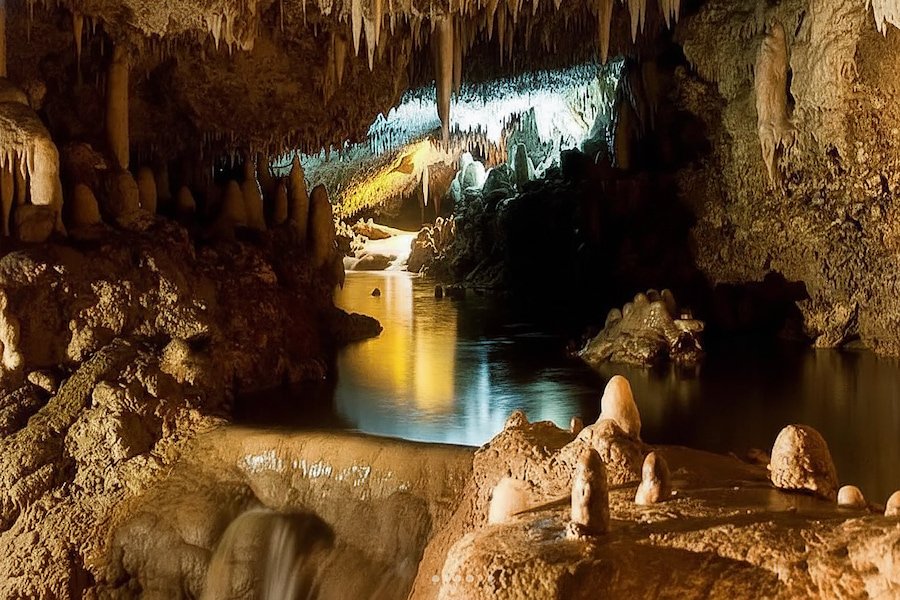
Deep within the Cole’s Cave system lies the ‘Great Hall,’ a massive subterranean cathedral of coral limestone. Unlike the commercialised experience at Harrison’s Cave, Cole’s Cave features a raw, six-foot subterranean waterfall that plunges into a dark pool, creating a resonant roar that fills the limestone chamber. The air here remains humid but refreshing, hovering around a constant 80-81°F (27°C) year-round. Navigating this space involves wading through knee-high freshwater streams that have spent centuries carving out these intricate passages. It is a masterclass in the island’s natural filtration system, where the water is part of the aquifer providing nearly 100% of the island’s drinking water.
Key Highlight: The subterranean waterfall and the “Duck Run” maneuver.
Difficulty: Moderate; requires physical agility to crouch while wading through calf-high running water.
Gear: High-lumen headlamps and sturdy, closed-cell water shoes are mandatory for the serrated limestone floors.
Geological Formations and Subterranean Life
The cave walls are not merely dead rock; they are composed of Pleistocene-era coral reefs. If you ‘Tek Time’ and look closely at the “rock” faces 100 feet underground, you will see fossilised brain coral and finger coral embedded directly into the walls. One of the most visually stunning features of this system is the “limestone bacon”—thin, translucent sheets of calcium carbonate that hang from the ceiling. These formations, along with massive flowstones, have been stained various shades of ochre and red by iron deposits in the soil above, creating a subterranean gallery of natural art. These stalactites grow at an incredibly slow rate of approximately one inch every 100 years, meaning a three-foot formation has been in the making for over 3,600 years.
The non-commercialised chambers are also vital roosting sites for the endemic Barbados Long-tongued Bat (Monophyllus plethodon). As you move through the higher, drier domes of the cave, you will often see them clinging to the stalactites. They are harmless, but their presence adds to the primeval atmosphere of the trek. The “Duck Run” maneuver is perhaps the most famous part of the journey—a section where the limestone ceiling drops significantly, requiring hikers to crouch while wading through the river. This leads eventually to “The Bath,” a freshwater basin where the river reaches a depth of four feet, offering a crystal-clear, refreshing end to the primary cavern exploration.
Jack-in-the-box Gully
These deep, tropical ravines are the arteries of the Barbados interior. Jack-in-the-box Gully, located in the parish of St. Thomas near Highway 2, offers a canopy of dense vegetation that provides a cool, humid micro-climate. It is a vertical world where towering cliffs meet ancient ferns and tangled vines. The gully serves as the entrance to the Cole’s Cave system, but the gully itself is a destination for those interested in nature reserves. The canopy is dominated by giant Silk Cotton and Mahogany trees, creating a shaded environment that feels significantly different from the coastal heat.
The Vibe: Prehistoric, untouched, and intensely green.
Wildlife: Keep an eye out for the Barbados Green Monkey and the rhythmic sounds of local whistling frogs.
The flora here is as treacherous as it is beautiful. At the mouth of the gully, hikers are greeted by the Macaw Palm, a tree covered in long, needle-like black spines. It serves as a natural sentinel to the underworld. Navigating the gully requires a certain level of physical fitness, as you’ll be scrambling over limestone “steps” and avoiding the sharp edges of the karst topography. The gully acts as a natural drain for the island, and during the wet season from June to November, the water levels can rise rapidly. This makes the timing of your visit crucial; always check the local weather patterns before heading into the interior, as ‘Soon Come’ might be too late if a tropical wave is approaching.
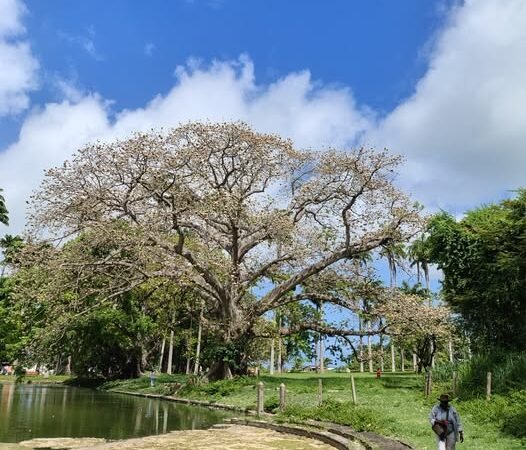
Ancient Silk Cotton Trees
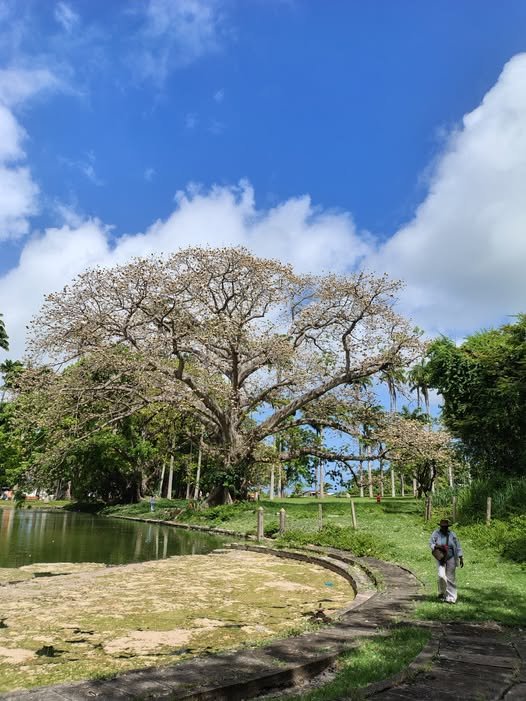
Standing as sentinels to the underworld, the massive Silk Cotton trees are the giants of the Bajan interior. Their buttress roots anchor the thin soil to the limestone bedrock, creating natural staircases for explorers navigating the rugged terrain. These trees can reach heights of over 100 feet, their branches hosting a variety of epiphytes and air plants. In Bajan culture, these trees are often viewed with a sense of reverence and caution, as they are central to many local folk tales and spiritual beliefs.
Local lore suggests these trees are spiritual hubs, connecting the earthly world to the ancestors below. It is said you should never cut down a Silk Cotton tree without proper respect, or you may invite the ‘duppies’ to follow you home.
Essential Adventure Logistics
Preparing for the Barbados interior is vastly different from a day at Crane Beach. The environment is humid, wet, and physically demanding. To reach the St. Thomas highlands via public transport, take the Route 4 bus (Shorey Village) from the Princess Alice Terminal in Bridgetown or the Route 5A (Airy Hill) or 5C (Chalky Mount) from Fairchild Street. The standard fare in 2026 is BBD $3.50 (USD $1.75) per person. You will get muddy and wet, so equipment choice is the difference between a successful trek and a dangerous situation.
Requirement
Recommendation
Footwear
Closed-toe hikers or high-grip, rugged water shoes
Attire
Quick-dry fabrics; long trousers are better for scratch protection
Best Time
Early morning (to avoid peak afternoon humidity)
Equipment
Two light sources (headlamp + backup torch)
Pro Tips for Interior Explorers
Stay Hydrated: The humidity inside the gullies is significantly higher than on the coast; bring more water than you think you need.
Hire a Guide: The cave systems are not signposted and have several false turns; local knowledge is vital for safety and for finding the “Exit Strategy” navigation points.
Pack Light: You will be squeezing through coral passages; avoid bulky backpacks that could get snagged on the limestone walls.
Respect the Bats: Avoid shining your light directly into the eyes of the bat colonies to prevent disturbing their natural roosting patterns.
Check Rainfall: Never enter Cole’s Cave if there has been heavy rain in the St. Thomas parish in the last 24 hours, as flash flooding is a real risk.
After a long day of spelunking and trekking through the gully, you’ll find that Bajan food has a ‘Sweet Hand’—the local term for someone who cooks exceptionally well. Look for a small eatery in St. Thomas or head back toward the coast for a traditional meal of cou-cou and flying fish. You’ll have earned it. For more ideas on how to spend your time, check out our guide on family fun or explore more hiking trails in Barbados.
Frequently Asked Questions
Is Cole’s Cave suitable for children? While active older children may enjoy the adventure, it is generally recommended for those aged 12 and up due to the physical requirements of wading through water and crouching in tight spaces. The terrain is slippery and requires a level of focus that younger children may find difficult to maintain over several hours.
Do I need a permit to visit Jack-in-the-box Gully? There is no formal permit or entrance fee required for individual hikers at Cole’s Cave or the gully. However, because the entrance is located near Highway 3A (Walkes Spring) and passes through various terrain, it is highly recommended to go with an organised eco-tour group to ensure safety and avoid accidentally trespassing on private lands.
How long does the full Cole’s Cave trek take? A standard exploration that includes the gully approach, the Great Hall, and the “Duck Run” typically takes between 1.5 to 3 hours depending on the group’s pace. It is a slow process because you must ‘Tek Time’ with every step on the uneven, submerged limestone floor.
What is the difference between Cole’s Cave and Harrison’s Cave? Harrison’s Cave is a highly managed, world-class tourist attraction with electric trams and paved paths (entry fees start around USD $65 / BBD $130 for 2025/2026). Cole’s Cave is a “wild” cave with no infrastructure and no entrance fee, requiring you to wade through water and use headlamps.
Are there dangerous animals in the Barbados interior? Barbados does not have any dangerously venomous snakes or large predators, so the wildlife is generally safe. The main things to watch out for are the stinging hairs on certain plants, the sharp spines of the Macaw Palm, and the occasional centipede, which can give a painful bite if disturbed.